
3 min read
Radio Advertising for Baltimore Businesses: Host Reads vs. Produced Spots
By Del’Vaughn Rooks
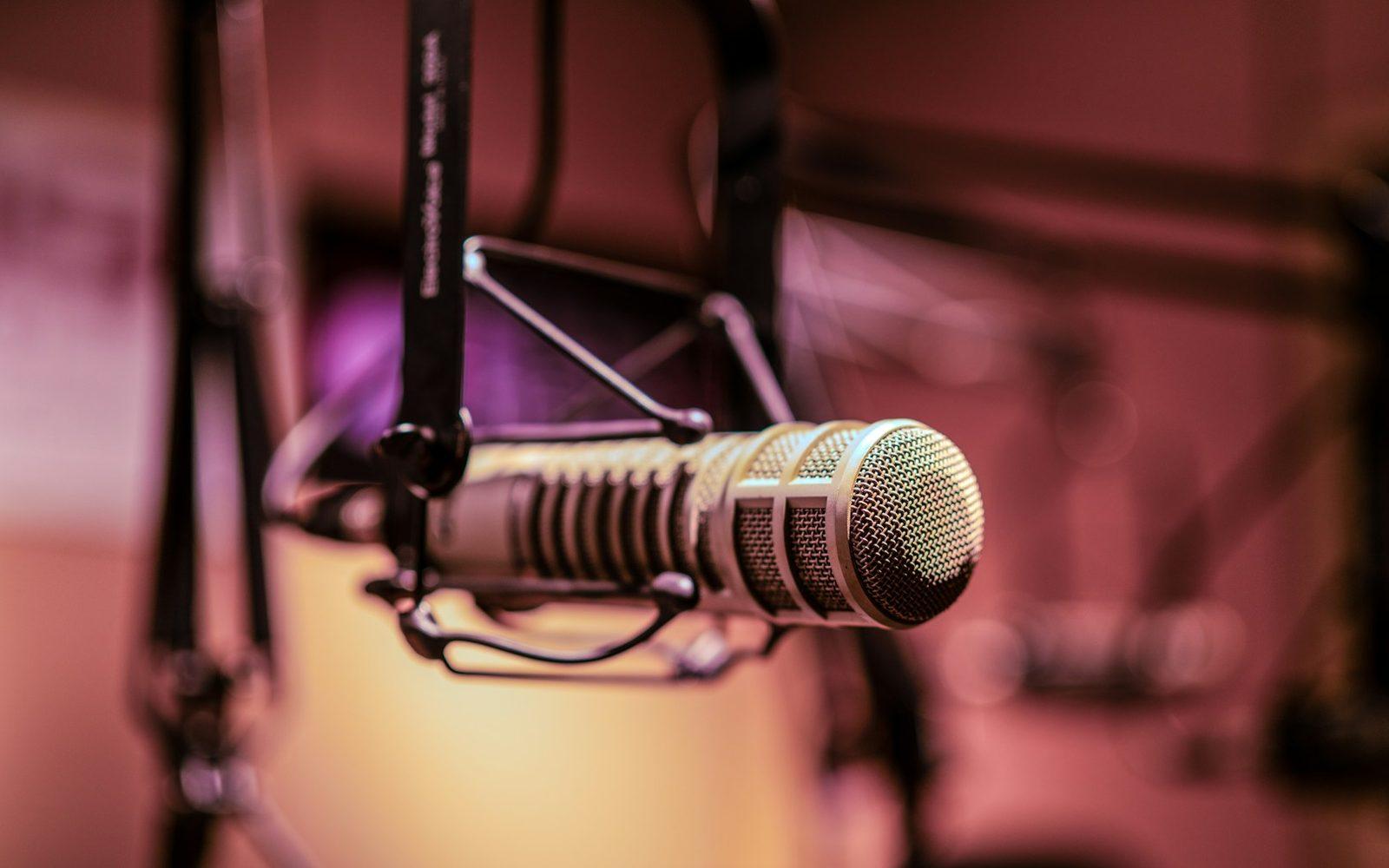
Radio reaches people where screens can’t: in the car, at work and in the kitchen. It also reaches more of them than you might expect. Nielsen reports that radio reaches 92% of U.S. adults every month, and that more than 80% of ad-supported listening in the car still goes to AM/FM radio.
Nielsen, Everywhere, everyone: radio’s reach (October 2026) (opens in a new tab)
For a local business, that means a well-placed campaign can build recognition with the people most likely to walk through your door. The first decision is what kind of commercial to run.
Produced spots
A produced spot is a recorded commercial with a script, voice talent and sound design. You control every word, and the same spot can run on several stations at once. Produced spots work well when you have a clear offer, a specific date or a message that has to be stated exactly.
Host reads
A host read is delivered by a station personality in their own voice, live or recorded. Listeners already know and trust that host, so the message carries the weight of a personal recommendation. Host reads are a strong fit for building trust, introducing a new business or reaching a loyal audience.
Which one is right for you?
Many campaigns use both. The host read builds credibility, and the produced spot repeats the offer with the details listeners need to act. The right mix depends on your audience, your message and your budget.
How long should a radio commercial be?
Most radio commercials run 15, 30 or 60 seconds. Fifteen seconds is enough for a reminder or a single offer. Thirty seconds is the most common length and leaves room for a short story and a call to action. Sixty seconds suits a message that needs more explanation.
Planning a campaign that works
- Plan. Decide who you want to reach and what you want them to do, then choose the stations and time slots that fit that audience and your budget.
- Produce. Write and record the spot, or prepare talking points for the host, and approve everything before it airs.
- Air and report. Run the campaign on the agreed schedule, then review the results and decide what to adjust or extend.
Pair radio with your other channels
Radio is strongest when listeners also see your message somewhere else. Pairing it with social media, streaming TV or a digital billboard helps people recognize your brand wherever they come across it.
Work with a radio advertising agency
We plan radio campaigns, write and produce the commercials, place them on the right stations and report on the results for businesses in Baltimore, across Maryland, in Washington, DC and nationwide. DelloFlix services were also featured in a Radio One broadcast spotlight in April 2025.
Ready to grow your brand?
Book a free consultation